
Many people live with digestive problems, which can affect their daily lives. Two of the most common conditions are IBS and IBD. These acronyms are often used interchangeably, but they actually refer to two different conditions. IBS stands for irritable bowel syndrome, while IBD stands for inflammatory bowel disease. While both conditions can cause discomfort in the digestive tract, they are quite different in terms of their causes, symptoms, and treatments. Understanding the differences between these two conditions can help you to make more informed choices about your health. In this post, we’ll explore the differences between IBS and IBD, their symptoms, and how they can be treated.
Understanding the basics: What is IBS and IBD?

Understanding the basics of IBS (Irritable Bowel Syndrome) and IBD (Inflammatory Bowel Disease) is crucial for anyone looking to navigate gastrointestinal health concerns effectively.
IBS is a common functional disorder of the digestive system, characterized by symptoms like abdominal pain, bloating, and changes in bowel habits. It is a chronic condition that does not cause inflammation or damage to the intestines but can significantly impact a person’s quality of life.
On the other hand, IBD refers to a group of inflammatory conditions that directly cause inflammation and damage to the digestive tract. The two main types of IBD are Crohn’s disease and ulcerative colitis, both of which can lead to severe complications if left untreated.
Distinguishing between IBS and IBD is essential because the treatment approaches for these conditions differ significantly. While IBS management focuses on symptom relief through lifestyle changes and dietary modifications, IBD treatment often involves medications to control inflammation, as well as surgical interventions in some cases.
By understanding the fundamental differences between IBS and IBD, individuals can work with healthcare providers to develop personalized management plans that address their specific needs and improve their overall well-being.
Symptoms and signs: How to differentiate between IBS and IBD

When it comes to gastrointestinal issues, identifying the differences between Irritable Bowel Syndrome (IBS) and Inflammatory Bowel Disease (IBD) based on symptoms and signs is crucial. Understanding these distinctions can lead to proper diagnosis and treatment for individuals experiencing digestive problems.
IBS is a functional disorder that affects the large intestine, causing symptoms like bloating, abdominal pain, changes in bowel habits, and discomfort. These symptoms often occur after eating and can be triggered or worsened by stress. Unlike IBD, IBS does not cause inflammation or damage to the digestive tract.
On the other hand, IBD encompasses chronic inflammatory conditions such as Crohn’s disease and ulcerative colitis. Symptoms of IBD include severe abdominal pain, persistent diarrhea (sometimes bloody), weight loss, fatigue, and fever. In IBD, the immune system mistakenly attacks the gastrointestinal tract, leading to inflammation and potential complications like ulcers and strictures.
Distinguishing between IBS and IBD requires a thorough evaluation by healthcare professionals, including physical exams, medical history review, blood tests, imaging studies, and sometimes endoscopic procedures. Proper diagnosis is essential to develop a personalized treatment plan that addresses the underlying cause of digestive issues and improves the quality of life for individuals affected by these conditions.
Causes and triggers of IBS and IBD

Irritable Bowel Syndrome (IBS) and Inflammatory Bowel Disease (IBD) are two distinct gastrointestinal disorders with different causes and triggers. Understanding these differences is crucial for effectively managing symptoms and seeking appropriate treatment.
IBS is considered a functional disorder, meaning there is no structural abnormality in the digestive tract. The exact cause of IBS is not fully understood, but it is believed to involve a combination of factors such as abnormal muscle contractions in the intestines, visceral hypersensitivity, intestinal inflammation, altered gut microbiota, and psychological factors like stress and anxiety. Triggers for IBS symptoms can vary widely among individuals and may include certain foods, stress, hormonal changes, medications, and gut infections.
On the other hand, IBD, which includes conditions like Crohn’s disease and ulcerative colitis, is characterized by chronic inflammation and damage to the digestive tract. The exact cause of IBD is complex and likely involves a combination of genetic predisposition, dysregulated immune response, environmental factors like diet and smoking, and alterations in the gut microbiome. Triggers for IBD flares can include dietary factors, stress, infections, and changes in the gut microbiota.
By understanding the distinct causes and triggers of IBS and IBD, individuals and healthcare providers can tailor management strategies to address specific underlying factors and improve the quality of life for those affected by these conditions.
Diagnosis: How are IBS and IBD diagnosed?
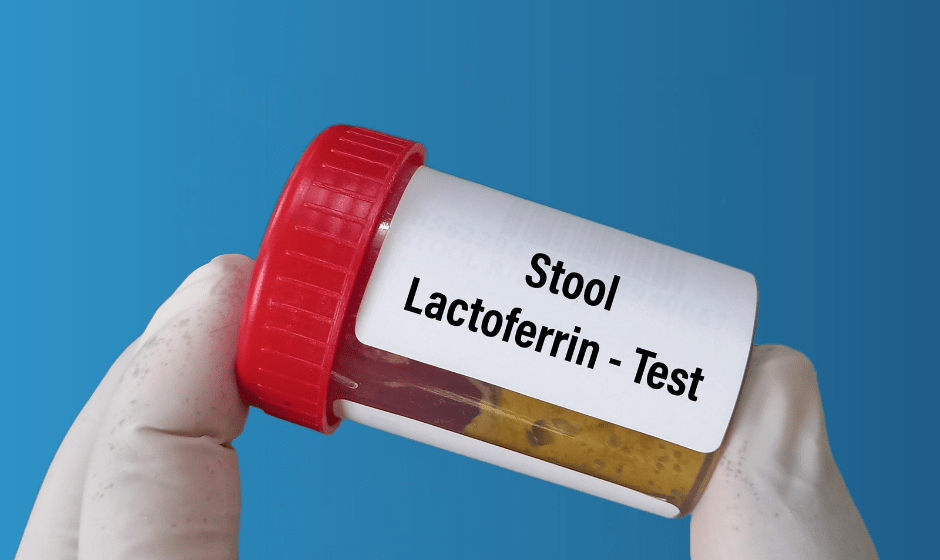
Diagnosing the differences between Irritable Bowel Syndrome (IBS) and Inflammatory Bowel Disease (IBD) is crucial in providing effective treatment and management plans for patients. The diagnostic process for IBS and IBD involves distinct methods due to the nature of these conditions.
For Irritable Bowel Syndrome (IBS), diagnosis is primarily based on symptoms and the exclusion of other gastrointestinal disorders. Healthcare providers often conduct a thorough medical history review and physical examination to rule out other potential conditions with similar symptoms. In some cases, additional tests such as blood tests, stool tests, and imaging studies may be recommended to confirm the diagnosis and ensure there are no underlying issues causing the symptoms.
On the other hand, diagnosing Inflammatory Bowel Disease (IBD) involves more extensive testing procedures. Healthcare providers may perform blood tests to check for markers of inflammation in the body, as well as stool tests to assess for infections or inflammatory markers. Imaging studies such as colonoscopy or endoscopy are commonly used to visualize the gastrointestinal tract and take biopsies for further analysis. These procedures help in confirming the presence of inflammation and identifying the specific type of IBD – Crohn’s disease or ulcerative colitis.
In summary, while the diagnosis of IBS relies on symptom assessment and exclusion of other conditions, diagnosing IBD involves a combination of clinical evaluation, laboratory tests, and imaging studies to identify inflammation and determine the specific type of the disease. Proper diagnosis is essential in guiding appropriate treatment strategies and improving the quality of life for individuals with these gastrointestinal disorders.
Treatment options for IBS and IBD
Treatment options for Irritable Bowel Syndrome (IBS) and Inflammatory Bowel Disease (IBD) differ significantly due to the distinct nature of these conditions. For IBS, management typically focuses on dietary changes, stress management techniques, and medication to alleviate symptoms such as abdominal pain, bloating, and changes in bowel habits. Common dietary recommendations include avoiding trigger foods like dairy, caffeine, and high-fat meals, while incorporating fiber-rich foods and probiotics to promote gut health.
On the other hand, treatment for IBD, which includes conditions like Crohn’s disease and ulcerative colitis, often involves a more aggressive approach. Medications such as anti-inflammatory drugs, immunosuppressants, and biologics are commonly prescribed to reduce inflammation and prevent flare-ups. In severe cases, surgery may be necessary to remove damaged sections of the intestine or to create an ostomy.
It is crucial for individuals with IBS or IBD to work closely with healthcare providers to develop a personalized treatment plan that addresses their specific symptoms and needs. Lifestyle modifications, medication management, and regular monitoring are key components of managing these chronic gastrointestinal conditions effectively.
Lifestyle changes and management strategies

Making lifestyle changes and implementing effective management strategies can significantly improve the quality of life for individuals dealing with IBS or IBD. Diet plays a crucial role in managing symptoms for both conditions. For IBS, adopting a low-FODMAP diet, which restricts certain types of carbohydrates that can trigger digestive issues, has shown promising results for many patients. On the other hand, individuals with IBD may benefit from a specific diet that helps reduce inflammation and supports overall gut health.
Aside from dietary modifications, stress management techniques such as meditation, yoga, or therapy can help alleviate symptoms associated with both conditions. Regular exercise has also been shown to promote gut health and reduce inflammation, making it a valuable addition to the lifestyle of those with IBS or IBD.
Moreover, getting an adequate amount of sleep, staying hydrated, and avoiding triggers that worsen symptoms are vital components of effective management strategies. By incorporating these lifestyle changes and management techniques into daily routines, individuals can take proactive steps towards managing their condition and improving their overall well-being.
The role of diet in managing IBS and IBD

Diet plays a crucial role in managing both Irritable Bowel Syndrome (IBS) and Inflammatory Bowel Disease (IBD). While IBS and IBD are distinct conditions with different underlying causes, symptoms, and treatments, dietary modifications can greatly impact symptom management and overall well-being for individuals with these conditions.
For individuals with IBS, it is often recommended to follow a low-FODMAP diet, which involves reducing intake of certain fermentable carbohydrates that can trigger digestive symptoms such as bloating, abdominal pain, and diarrhea. By identifying and avoiding specific trigger foods, individuals with IBS can experience significant symptom relief and improved quality of life.
On the other hand, individuals with IBD, which includes conditions like Crohn’s disease and ulcerative colitis, may benefit from a diet that focuses on reducing inflammation and promoting gut healing. This may involve avoiding certain foods that can exacerbate inflammation, such as processed foods, sugar, and dairy, while incorporating anti-inflammatory foods like fruits, vegetables, fish, and healthy fats.
It is important for individuals with IBS or IBD to work closely with healthcare professionals, such as dietitians or gastroenterologists, to develop a personalized dietary plan that meets their specific needs and preferences. By making informed dietary choices and closely monitoring how different foods affect their symptoms, individuals with IBS and IBD can better manage their conditions and improve their overall digestive health.
Potential complications of IBS and IBD

When it comes to gastrointestinal disorders like IBS (Irritable Bowel Syndrome) and IBD (Inflammatory Bowel Disease), there are potential complications that individuals should be aware of. While IBS is considered a functional disorder, meaning it does not cause inflammation or damage to the digestive tract, it can still lead to significant discomfort and affect a person’s quality of life. Common complications of IBS may include bloating, gas, abdominal pain, and changes in bowel habits.
On the other hand, IBD encompasses conditions like Crohn’s disease and ulcerative colitis, which are characterized by chronic inflammation of the digestive tract. IBD can lead to more serious complications such as intestinal strictures, fistulas, abscesses, and an increased risk of colorectal cancer. Additionally, individuals with IBD may experience extraintestinal manifestations, affecting other parts of the body such as the joints, skin, and eyes.
Understanding the potential complications associated with IBS and IBD is crucial for individuals living with these conditions, as it can help them manage their symptoms effectively and seek appropriate medical care when needed. By staying informed and working closely with healthcare providers, individuals can navigate the challenges posed by these gastrointestinal disorders and maintain their overall well-being.
Support and resources for individuals with IBS and IBD

Navigating life with Irritable Bowel Syndrome (IBS) or Inflammatory Bowel Disease (IBD) can be challenging, but knowing that you are not alone can make a significant difference. There are numerous support groups, online resources, and organizations dedicated to providing assistance and guidance to individuals living with these conditions.
Support groups offer a safe space for individuals to share their experiences, seek advice, and connect with others who understand what they are going through. These groups often host regular meetings, provide educational resources, and offer emotional support to help individuals cope with the physical and emotional challenges of living with IBS or IBD.
In addition to support groups, there are also various online resources available for individuals seeking information and guidance on managing their condition. Websites, forums, and social media groups provide a wealth of information on treatment options, dietary recommendations, lifestyle changes, and coping strategies for dealing with the symptoms of IBS and IBD.
Moreover, organizations dedicated to raising awareness and advocating for individuals with IBS and IBD play a crucial role in providing support and resources to the community. These organizations work tirelessly to promote research, education, and public awareness of these conditions, as well as to advocate for better treatment options and improved quality of life for individuals affected by IBS and IBD.
By taking advantage of the support and resources available, individuals living with IBS or IBD can find comfort, guidance, and empowerment to better manage their condition and live a fulfilling life despite the challenges they may face.
Conclusion: Living well with IBS or IBD

Living well with IBS (Irritable Bowel Syndrome) or IBD (Inflammatory Bowel Disease) is possible with the right knowledge and management strategies. While both conditions can present challenges, there are steps you can take to improve your quality of life.
For individuals with IBS, focusing on dietary modifications, stress management techniques, and regular exercise can help alleviate symptoms and reduce flare-ups. Keeping a food diary to identify trigger foods, practicing mindfulness to reduce stress, and incorporating gentle physical activity into your routine are all beneficial strategies for managing IBS.
On the other hand, individuals with IBD may require more intensive medical management, including prescription medications, and in some cases, surgery. Working closely with a healthcare provider to develop a personalized treatment plan is essential for effectively managing IBD symptoms and preventing complications.
Regardless of whether you have IBS or IBD, building a strong support system can make a significant difference in your overall well-being. Connecting with others who understand your condition, whether through support groups or online forums, can provide valuable emotional support and practical advice for coping with the challenges of living with a chronic gastrointestinal condition.
By staying informed, being proactive in managing your symptoms, and seeking support when needed, you can take control of your health and continue to live a fulfilling life despite the challenges of IBS or IBD. Remember, you are not alone, and there are resources available to help you navigate the complexities of these conditions and thrive in your daily life.
In conclusion, understanding the distinctions between Irritable Bowel Syndrome (IBS) and Inflammatory Bowel Disease (IBD) is crucial for those dealing with gastrointestinal issues. By decoding the differences between these two conditions, individuals can better navigate their symptoms and seek appropriate medical care. We hope this blog post has provided clarity and insight into IBS and IBD, empowering readers to take control of their digestive health and well-being. Remember, knowledge is power when it comes to managing your health effectively.
 GG Nutrition
Leave a comment